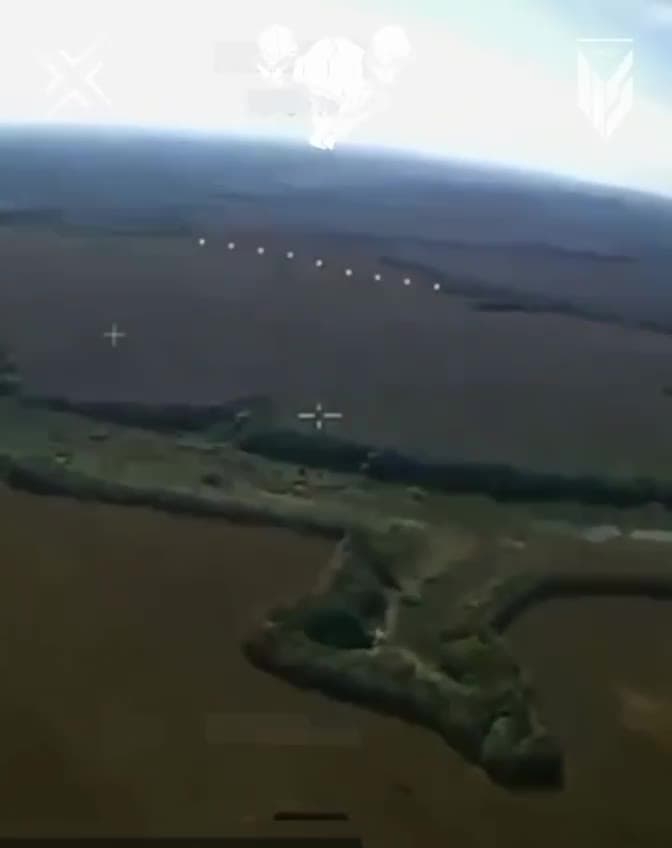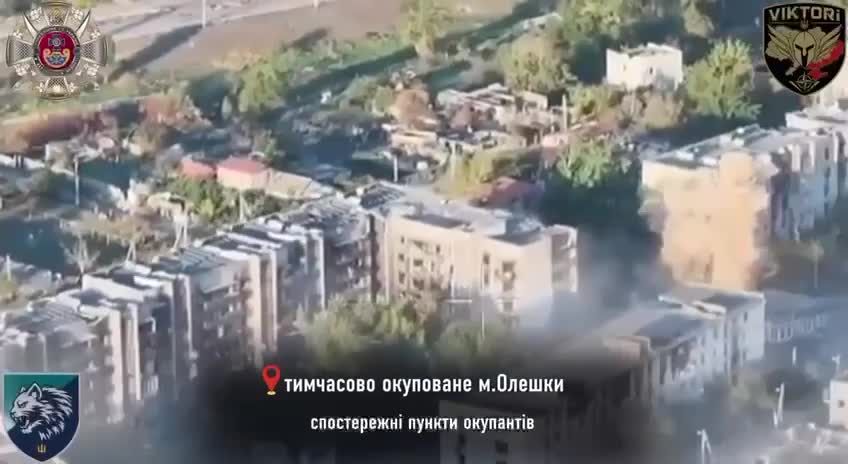
Ukraine’s Unmanned Systems Forces reported overnight drone strikes against multiple targets deep behind Russian lines, including a tanker linked to the so-called shadow fleet and two oil storage facilities in Taganrog and Feodosia. According to preliminary information, Ukrainian drones targeted a total of 23 military and logistical sites during the operation. The strikes reportedly focused on fuel infrastructure, transport assets, and facilities supporting military supply chains and operational logistics in rear areas.
Ukraine’s Unmanned Systems Forces reported strikes on a military airfield in Taganrog during the night of May 30. According to preliminary information, the attack destroyed an Iskander operational-tactical missile system along with two Tu-142 long-range anti-submarine aircraft located at the air base. Footage and satellite imagery from the area are expected to clarify the scale of damage. The strike is part of continued long-range operations targeting military aviation and missile infrastructure deep behind the front line.
A Russian drone reportedly crashed into a residential building in Galați during an overnight air alert, causing an explosion and fire inside an apartment on the 10th floor. Romanian emergency services confirmed that two people evacuated the burning apartment on their own, with no fatalities reported. Earlier, Romanian defense radars detected drones moving near the country’s airspace, prompting two F-16 fighter jets to scramble from the 86th Air Base in Fetesti with support from an IAR 330 SOCAT helicopter. According to reports, Romanian pilots were authorized to engage aerial targets throughout the alert period.
Footage published from the night of May 23 reportedly shows an FP-1/2 drone striking the Russian frigate “Admiral Essen” at the naval base in Novorossiysk. The Project 11356 warship is known as a carrier of Kalibr cruise missiles and is part of the Russian Black Sea Fleet. Videos from the attack also show attempted interception efforts by Russian air defense systems near the port area. If confirmed, the strike represents another significant hit against Russian naval assets operating in the Black Sea region and further pressure on fleet logistics and missile-launch capabilities.
The 7th Air Assault Corps of the Armed Forces of Ukraine announced the official deployment of M142 HIMARS systems within its structure. The launchers are now operated by personnel of the 147th Artillery Brigade of the Air Assault Forces. According to the corps, the systems have already been used in combat operations and reportedly destroyed several Russian artillery positions shortly after being transferred to the brigade. The addition of HIMARS expands the long-range strike capabilities of the Air Assault Forces and strengthens artillery support for frontline operations.
A strike in Kherson hit an area near a children’s playground, leaving multiple civilians injured. According to preliminary reports, two children aged 3 and 6, along with their mother, were wounded in the attack. The father was killed at the scene. Emergency services responded shortly after the impact as footage and photos from the location began circulating online. The incident adds to a growing number of reported strikes affecting civilian areas and residential infrastructure in the region.
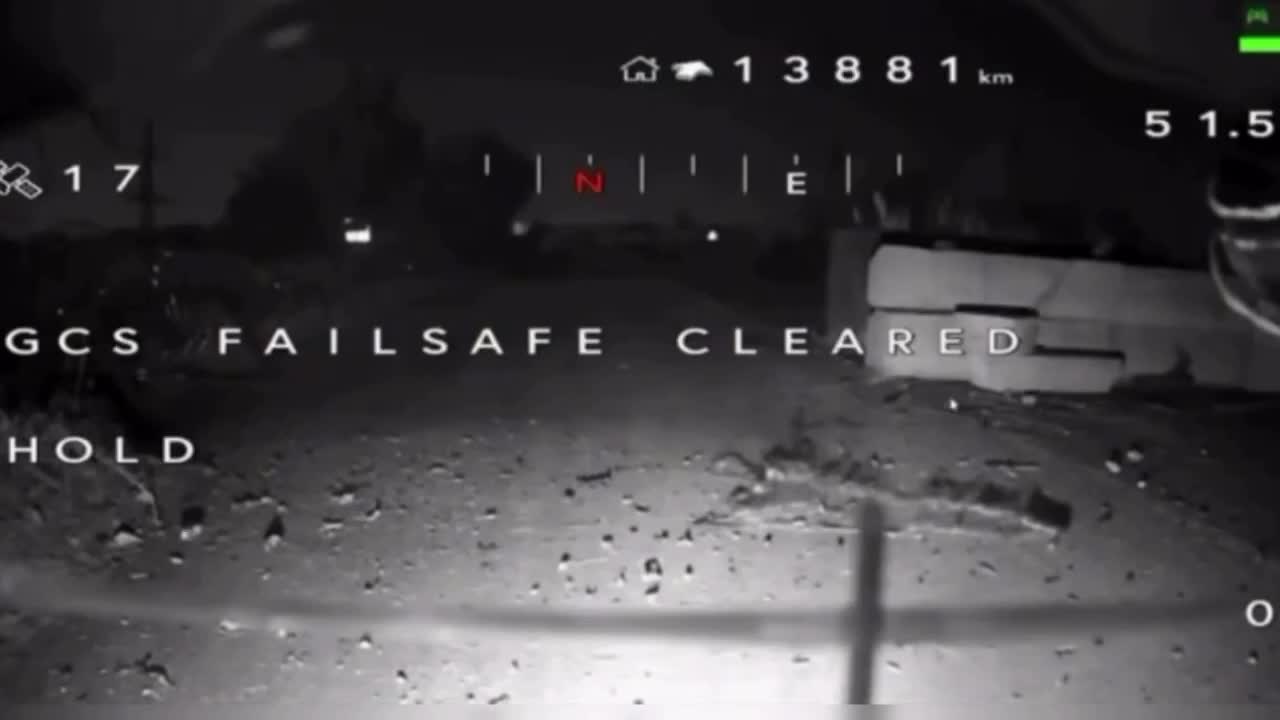
Operators of the Ukrainian border guard unit “Phoenix” carried out an exceptionally long-range FPV drone strike, flying more than 103 kilometers before hitting a Russian military logistics vehicle. The target was a military cargo truck used for supply operations behind the front line. The strike is considered one of the longest confirmed combat missions performed by a standard FPV drone, demonstrating the growing range and operational flexibility of low-cost unmanned systems on the battlefield.
Combat footage shows a pair of FPV drones striking an armored tank position, resulting in visible armor penetration followed by a large secondary detonation. The video captures the moment of impact and the subsequent explosion as ammunition inside the vehicle detonates after the strike. The engagement demonstrates the continued use of FPV drones against armored targets in frontline conditions, with operators coordinating multiple hits to disable and destroy heavy equipment during active combat operations.
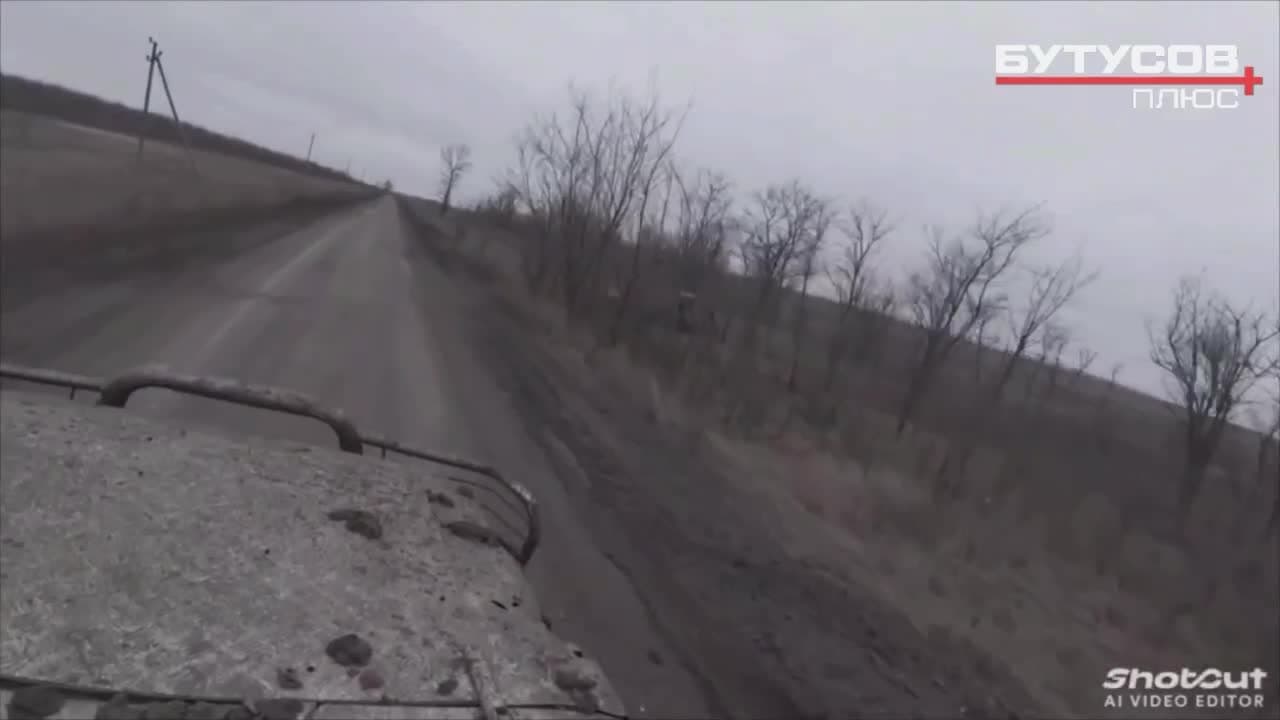
Footage attributed to the 3rd Separate Assault Brigade of the Armed Forces of Ukraine shows infantry units advancing through heavily damaged woodland terrain under active combat conditions. The video captures soldiers moving through deep mud, destroyed tree lines, and trench systems while operating in an environment affected by ongoing artillery and small arms fire. Explosions and debris are visible across the landscape, reflecting sustained combat activity in the sector. The material documents movement and tactical progression through difficult terrain under continuous battlefield pressure, with focus on navigation, coordination, and survival in active engagement zones.
Footage from operators of the UAV unit “PEGAS” of the 1st Separate Mechanized Brigade shows FPV drone engagements against a large group of opposing forces advancing across an open field toward Ukrainian positions. The video captures coordinated drone strikes during movement in exposed terrain, resulting in disruption of the advancing formation in a frontline area. The material documents the use of unmanned aerial systems for reconnaissance and precision engagement in open-field conditions along active combat lines.